
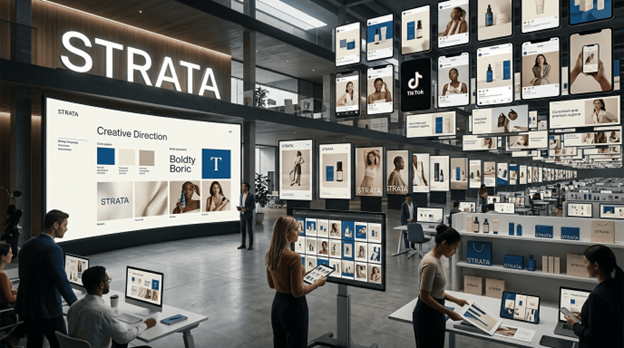
Marketing teams produce more visual content today than ever before.
A single campaign now requires assets for Instagram, TikTok, YouTube Shorts, Meta Ads, ecommerce banners, landing pages, email campaigns and mobile formats at the same time. On top of that, brands constantly create seasonal promotions, regional campaigns, product launches and platform-specific creatives throughout the year.
The demand keeps growing, but traditional creative workflows often struggle to keep up. Design teams spend hours creating variations, resizing assets, revising layouts and adjusting campaigns for different audiences. As content volume increases, maintaining speed and consistency becomes much harder.
This is one reason why brands are changing how they approach creative production. Platforms like Higgsfield help businesses scale visual content faster through an ai image generator workflow designed for modern campaign demands.
Creative scalability is no longer only about producing more content. It is about producing high-quality visuals consistently without slowing marketing momentum.
Why has creative scalability become such a major challenge?
Modern marketing depends heavily on visual content.
Brands compete across several platforms where audiences expect fresh creatives constantly. Social media feeds update every second, ecommerce promotions change frequently and advertising campaigns require regular creative refreshes to maintain performance.
This creates enormous pressure on marketing teams. A company may need dozens of creative variations for a single campaign. Different platforms require different dimensions, layouts and visual styles. Regional campaigns may need localized visuals, while paid advertising campaigns often require several versions for testing.
The workload increases very quickly. Traditional workflows usually depend on manual production systems where designers create every variation individually. That process takes time, especially when campaigns move through multiple approval rounds and revision cycles.
As brands scale content production, creative bottlenecks become harder to avoid.
Why do traditional creative workflows struggle with scale?
Most traditional production systems were not designed for the speed modern marketing requires. Creative teams often work through long processes involving concept approvals, revisions, resizing requests, export formatting and stakeholder feedback before campaigns launch. That workflow becomes difficult when brands need high volumes of content continuously.
For example, an ecommerce campaign may require:
- Social media creatives
- Marketplace banners
- Mobile advertising visuals
- Product launch graphics
- Seasonal campaign assets
- Localized regional versions
Producing all these assets manually takes significant time and resources.
Testing also becomes limited because creating multiple creative variations manually slows production even further. As campaign demand increases, teams often struggle to balance speed, consistency and creative quality at the same time.
How does an AI image generator improve creative scalability?
An ai image generator helps teams produce visual content faster without rebuilding every asset manually. Instead of creating every campaign variation from scratch, marketers can quickly experiment with different styles, layouts, backgrounds and creative directions.
Higgsfield allows brands to scale content production more efficiently while maintaining visual consistency across campaigns. For example, a fashion company launching a seasonal collection may need separate creatives for social media ads, ecommerce pages, influencer collaborations and mobile campaigns.
Traditionally, that would require long production timelines and extensive manual editing. Now teams can generate multiple visual directions much faster and adapt campaigns according to platform requirements or audience behavior.
This flexibility helps brands increase creative output without dramatically increasing production complexity.
Why are social media platforms increasing the need for scalable content?
Social media platforms reward consistency and freshness. The problem is that social content cycles move extremely fast.
A trend that works today may disappear within days. Audiences constantly expect new visual styles, updated campaign aesthetics and platform-native content formats. Because of this, brands need systems that support continuous content creation at scale.
Higgsfield helps marketing teams create social visuals faster through an ai image generator workflow built for rapid experimentation. Teams can test multiple campaign styles, visual hooks and content directions without slowing production schedules.
This becomes especially valuable during seasonal campaigns, product launches, trend-driven content moments and promotional events where brands need large volumes of visuals quickly.
Why are ecommerce brands relying heavily on scalable creative workflows?
Ecommerce businesses constantly create new campaigns. They launch product collections, seasonal promotions, limited-time offers, marketplace campaigns and paid advertising creatives throughout the year.
Each campaign usually requires several visual formats across different platforms. At the same time, ecommerce brands need frequent creative testing to improve performance. A product may perform better with lifestyle-focused visuals, while another audience segment may respond more positively to clean studio presentation.
This creates constant demand for fresh creative assets. Higgsfield helps ecommerce teams scale visual production while maintaining product consistency across campaigns.
An ai image generator also allows marketers to create several campaign directions faster without rebuilding assets manually for every platform and audience segment.
Why are agencies adopting AI-assisted creative production?
Creative agencies manage campaigns across several clients, industries and platforms simultaneously.
Clients expect faster delivery, regular creative updates, localized campaigns and continuous visual experimentation. Traditional workflows often struggle to support that level of production efficiently.
Higgsfield helps agencies simplify content scaling by reducing repetitive creative work. An ai image generator allows teams to produce multiple campaign concepts quickly while maintaining consistent quality across projects.
Agencies can also adapt campaigns more efficiently according to audience response, platform trends and regional requirements. This flexibility helps agencies handle larger workloads without dramatically expanding production timelines or internal resources.
As demand for visual content continues growing, scalable workflows are becoming essential for agency operations.
Why does creative scalability matter beyond speed?
Scalability is not only about producing more visuals quickly. It also affects campaign consistency, audience engagement, testing opportunities and long-term marketing performance.
Brands that scale content efficiently can experiment with more creative directions, adapt faster to trends and maintain stronger visibility across digital platforms.
Without scalable systems, teams often reuse the same campaign styles repeatedly because production timelines become too difficult to manage. That usually leads to repetitive content and weaker engagement over time.
Higgsfield helps brands avoid this problem by supporting faster creative experimentation through an ai image generator workflow that allows teams to produce fresh visuals more consistently. This gives marketers more room to optimize campaigns instead of focusing only on production limitations.
Why are AI image generators becoming essential for modern brands?
Modern marketing depends on constant content production. Brands now compete across social media, ecommerce, digital advertising, mobile experiences and international campaigns simultaneously. Traditional production systems often cannot support this level of creative demand efficiently.
This is why businesses increasingly rely on Higgsfield to improve creative scalability and campaign production speed.
An ai image generator helps marketing teams create more visual content without sacrificing consistency or flexibility across platforms. As digital competition continues increasing, brands need workflows that support high-volume creative production while still allowing room for experimentation and fast campaign adaptation.
Companies that improve creative scalability now will likely build stronger audience engagement and more efficient marketing systems in the years ahead.

