
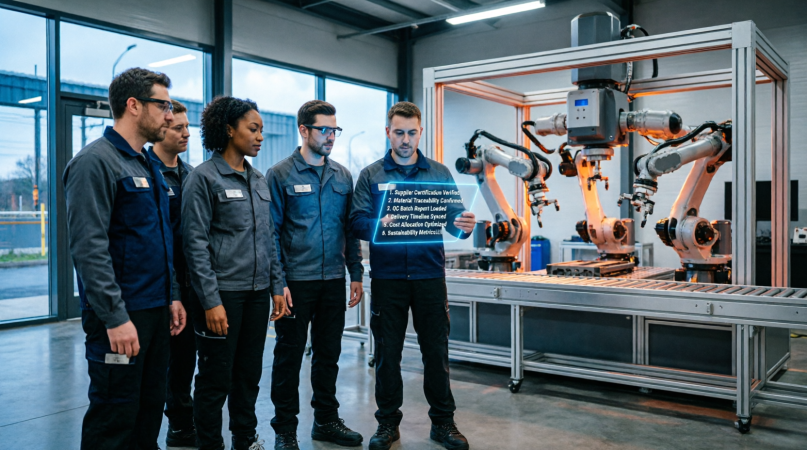
When your organization needs specialized industrial equipment, the procurement process demands more than just comparing price tags and specifications. These purchases often represent substantial capital investments that’ll shape your operations for years, potentially even decades. Making well-informed decisions during this phase helps ensure you’re selecting equipment that truly meets operational requirements, aligns with budget realities, and delivers lasting value. Getting the procurement questions right from the start can be the difference between acquiring assets that genuinely enhance productivity and making expensive missteps that create operational headaches down the road.
What Are Your Specific Operational Requirements and Specifications
Before you even start looking at equipment options, you’ll want to nail down exactly what your operation needs from a technical standpoint. Take time to document the precise tasks the equipment must handle, think load capacities, operating ranges, speed requirements, and any performance standards specific to your industry. Consider the real-world conditions where this equipment will live and work: extreme temperatures, humidity fluctuations, exposure to chemicals or corrosive materials, or tight spatial constraints that limit your options. Think through whether you need equipment capable of handling variable workloads or specialized functions that off-the-shelf models simply can’t accommodate.
How Will This Purchase Affect Your Total Cost of Ownership
That initial purchase price is just the tip of the financial iceberg when it comes to specialized industrial equipment. You need to factor in all the ongoing operational expenses, energy consumption, routine maintenance schedules, consumable materials, and those periodic inspections or certifications that come around like clockwork. Look closely at the availability and cost of replacement parts, especially for specialized components where you might be dealing with limited suppliers or frustratingly long lead times. Calculate realistic downtime expectations for maintenance and repairs, since these interruptions can take a real bite out of productivity and revenue.
What Support and Service Options Does the Manufacturer Provide
The level of manufacturer support can make or break how well your equipment performs throughout its operational life. Dig into the warranty coverage thoroughly, not just how long it lasts, but what components are actually covered and what conditions might void your protection. Find out whether the manufacturer offers preventive maintenance programs, emergency repair services, or extended warranty packages that give you extra peace of mind. Look into the manufacturer’s reputation for customer service, how quickly they respond to technical support requests, and whether they have field service technicians readily available in your area.
How Does This Equipment Align with Your Safety and Compliance Standards
Industrial equipment purchases have to clear some pretty high bars when it comes to safety requirements and regulatory compliance standards. Review all the applicable safety certifications, OSHA requirements, industry-specific standards, and any international compliance marks if your operations cross multiple jurisdictions. Evaluate what safety features come built into the equipment: emergency stop mechanisms, operator protection systems, warning devices, and fail-safe designs that prevent accidents before they happen. Determine whether the equipment needs special permits, inspections, or certifications before you can legally fire it up in your facility. Look at what training and qualifications operators will need, including any licensing or certification programs they’ll have to complete. Some equipment might demand modifications to your facility, think enhanced ventilation systems, reinforced flooring, or specialized power supplies to operate safely. When performing aircraft maintenance or ground operations, professionals who need to safely elevate aircraft for inspections and repairs rely on a quality hydraulic tripod jack to ensure stable positioning and operator safety. Map out how the equipment will fit into your existing safety protocols, lockout-tagout procedures, and emergency response plans. Putting safety and compliance at the forefront protects your workforce, reduces liability exposure, and helps you steer clear of costly regulatory violations that can throw a wrench in operations.
What Is the Expected Lifespan and Upgrade Path
Getting a realistic picture of how long specialized equipment will remain operational helps you plan for future capital needs and keep operations running smoothly. Look into the manufacturer’s published service life expectations and stack those up against real-world performance data from users running similar applications. Think about factors that might accelerate wear and tear, continuous operation, harsh environmental conditions, or demanding duty cycles that push equipment beyond typical usage patterns. Check what component upgrades or retrofits are available that could extend the equipment’s usefulness as technology advances or your operational needs evolve.
How Will You Evaluate Vendor Reputation and Track Record
A vendor’s history and market reputation tell you quite a bit about the reliability and performance you can reasonably expect from their equipment. Dig into customer testimonials, case studies, and references from organizations facing similar operational challenges and working in comparable industry sectors. Look into whether the vendor has a history of product recalls, safety issues, or quality problems that might signal deeper manufacturing or design concerns. Evaluate their financial stability, how long they’ve been in business, and what kind of market share they hold in your specific equipment category.
Conclusion
Purchasing specialized industrial equipment means looking beyond basic functionality and sticker price to evaluate multiple critical dimensions. By working through these six essential questions systematically, your procurement team develops a complete picture of how potential equipment purchases fit with operational needs, budget realities, and long, term strategic goals. This methodical approach minimizes the risk of expensive mistakes while ensuring the equipment you select delivers maximum value throughout its working life. Taking the time upfront to conduct proper due diligence protects your organization’s capital investments and supports operational excellence across the board.

