
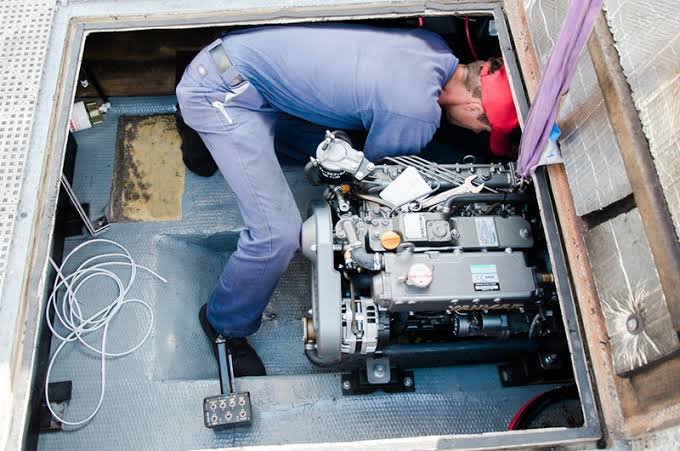
Keeping Marine Diesel Engine Repair Bills From Spiraling Out of Control
Marine diesel engines aren’t cheap. Whether you’re running a commercial fishing fleet, hauling cargo, or taking a recreational yacht offshore, these powerplants represent serious money and when they fail unexpectedly, the costs don’t stop at parts and labor. Schedules slip. Revenue disappears. Emergency work always costs more than planned work. That’s just the reality. Knowing what actually causes diesel engines to break down gives you a fighting chance to stop problems before they start, protecting both your equipment and your wallet.
1. Maintain a Consistent Oil Change Schedule
Oil changes are the bedrock of everything else. Engine oil degrades heat, oxidation, and contamination all chip away at its ability to protect moving parts. Most manufacturers recommend changes every 250 to 500 operating hours, though conditions matter. Ignore that interval and sludge builds up. Particulates accumulate. Friction climbs on pistons, bearings, and cylinder walls until something gives. Using the wrong oil grade makes things worse, not better improper specs can fail under the punishing demands of marine operation even if the change interval is perfect.
2. Monitor and Replace Fuel Filters Regularly
Contaminated fuel is one of the nastiest, most common diesel killers out there. Filters catch water, sediment, and microorganisms before they reach injectors and fuel pumps but only if you actually replace them. Marine environments are brutal for fuel tanks; condensation and spray push moisture in constantly. Check filters at least monthly. Replace them every 100 to 200 operating hours, or sooner if you spot visible gunk or notice performance dropping off. Sticky, clogged injectors don’t just hurt combustion efficiency. They’re expensive to replace. Prevention here is cheap; ignoring it isn’t.
3. Check Cooling System Components Frequently
Overheating can destroy a marine diesel engine in minutes. Not hours. Minutes. Saltwater and brackish cooling systems are especially vulnerable scale builds up, corrosion takes hold, blockages cut cooling efficiency before you even realize there’s a problem. Inspect hoses regularly for cracks, soft spots, or discoloration. Replace anything that looks questionable before it fails at sea. Flush the system on the manufacturer’s schedule to clear sediment. The water pump impeller wears gradually and benefits from proactive replacement every three to five years. Operators shopping purpose-built powerplants for demanding saltwater applications often reference mitsubishi marine engines in both commercial and recreational fleet discussions.
4. Keep Air Intake Systems Clean and Unobstructed
A diesel needs clean air. Consistently. Salt spray, dust, and moisture clog air filters fast in harsh marine conditions — starving combustion of oxygen and forcing the engine to work harder than it should. Inspect and clean filters monthly during active season. Replace them annually, or whenever they look compressed and dirty. A blocked intake strains the turbocharger, spikes fuel consumption, and drags down power output. Keeping those passages clear is one of the simplest, cheapest things you can do — and one of the most overlooked.
5. Address Corrosion and Rust Prevention Proactively
Saltwater is relentless. It attacks unprotected metal surfaces constantly, eating into structural integrity and compromising engine components over time. Apply protective coatings to exposed exterior parts. Use zinc anodes in cooling systems they absorb corrosive action so your actual engine parts don’t have to. Inspect for rust on a regular schedule; small spots grow fast. After saltwater operation, rinse the engine compartment with fresh water to flush salt deposits before they accelerate surface breakdown. A corroded fastener or compromised seal can mean a dangerous fuel or oil leak. Catch it early. The alternative is far more expensive.
Conclusion
None of this is complicated. Oil changes, fuel filters, cooling system care, clean air intake, corrosion prevention these fundamentals work together, and they work well. Routine maintenance costs a fraction of what an engine overhaul runs after years of neglect. Build a schedule around your manufacturer’s recommendations, stick to it, and your marine diesel will hold up for a long time. Skip it, and you’re gambling against odds that eventually catch up with everyone. Taking care of the engine now saves real money and a lot of frustration later.

