
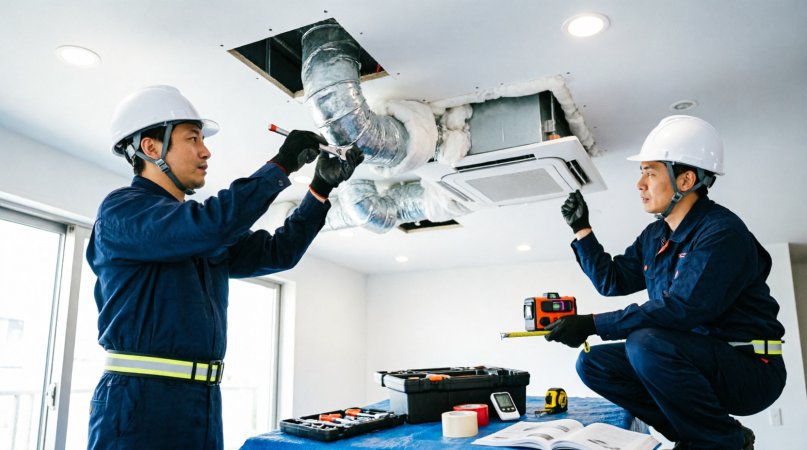
Most property owners view their heating and cooling systems as simple appliances. You turn a dial, press a button, and the indoor climate adjusts to your preference. However, beneath that simple interface lies a complex network of thermodynamics, electrical engineering, and fluid dynamics. A modern HVAC installation is not just about placing a metal box outside and connecting a few wires; it is a highly calibrated process that dictates the energy efficiency and longevity of your entire property.
When a system is put into place, every single calculation matters. If the unit is too large, it will cycle on and off rapidly, wasting energy and wearing out components prematurely. If it is too small, it will run constantly, struggling to regulate the indoor environment and driving up your monthly utility bills. The precision required during the initial setup phase is exactly why the installation process is the most critical day in the lifespan of any heating and cooling system.
Navigating this complex process requires a deep understanding of structural layouts, insulation quality, and local climate variables. By treating the installation as a strategic engineering project rather than a basic hardware swap, property owners can maximize their return on investment. This proactive approach ensures that the system operates at peak performance, minimizing future repair costs and maximizing energy efficiency from day one.
Precision Engineering Meets Daily Utility
A successful HVAC installation begins long before any equipment arrives at your property. It starts with a comprehensive load calculation. This mathematical assessment takes into account the square footage, the number of windows, the direction the building faces, and the quality of the existing insulation. By gathering this data, technicians can pinpoint the exact capacity required to maintain a stable indoor climate without wasting electricity.
Once the sizing is determined, the focus shifts to airflow dynamics. The ductwork must be carefully inspected, sealed, and sometimes redesigned to ensure that conditioned air travels efficiently throughout the building. Poorly designed ducts can cause up to a thirty percent loss in energy efficiency. Properly installed ductwork guarantees that the system does not have to work overtime to push air into distant rooms, reducing mechanical strain and lowering operational costs.
Electrical integration is another crucial component. Modern systems rely on advanced circuitry and smart thermostats that communicate in real-time. The installation team must seamlessly integrate these digital controls with the building’s electrical grid, ensuring safety and allowing for precise climate management.
The Financial and Environmental Impact
The quality of an HVAC installation directly impacts your financial bottom line. A system that is installed with precision operates efficiently, requiring less electricity or gas to achieve the desired temperature. Over the course of a year, these energy savings accumulate significantly, offsetting the initial investment of the equipment. Furthermore, a meticulously installed unit experiences less physical wear and tear, extending its operational lifespan by years and delaying the need for an expensive replacement.
Beyond individual cost savings, a strategic installation plays a vital role in environmental conservation. High-efficiency systems are designed to consume fewer natural resources and emit fewer greenhouse gases. However, these environmental benefits are only realized if the equipment is installed correctly. A botched installation forces even the most advanced, eco-friendly unit to consume excess energy, negating its green credentials.
By prioritizing a professional and exact setup, you are directly contributing to a more sustainable future. Reducing your property’s overall carbon footprint begins with ensuring that your major appliances operate exactly as their manufacturers intended.
The Rack Air Approach to Excellence
Achieving this level of precision requires a team that refuses to cut corners. This is where Rack Air steps in. Rack Air treats every HVAC installation as a bespoke engineering project, tailored specifically to the unique blueprint of your property. Our technicians are highly trained in the latest industry standards, ensuring that every wire, duct, and mechanical component is perfectly aligned and calibrated.
Choosing Rack Air means opting for unparalleled reliability and expertise. We do not believe in one-size-fits-all solutions. Instead, our team conducts thorough assessments to recommend and install the system that perfectly matches your structural requirements and energy goals. From the initial load calculation to the final digital thermostat configuration, Rack Air handles every step with meticulous attention to detail.
Our commitment to excellence ensures that your new system operates at its absolute best. With Rack Air, you receive an installation process that guarantees operational efficiency, robust reliability, and a significant reduction in long-term energy costs. We pride ourselves on delivering a seamless transition to superior climate control technology.
Upgrading Your Property for the Future
HVAC installation services provide a comprehensive, precision-driven setup that ensures your heating and cooling system operates efficiently, reliably, and sustainably for years to come. An expert HVAC installation is an investment in the long-term viability and functionality of your property. By focusing on the science of airflow, the mathematics of load calculation, and the precision of electrical integration, you can transform how your building consumes energy. A premium installation ensures that your system runs at peak performance, reduces energy waste, and delivers consistent comfort throughout every season.
Do not leave the most critical day of your system’s lifespan to chance. Trust the professionals who understand the intricate mechanics and strategic planning required for a flawless setup. Contact Rack Air today to schedule your consultation, and take the first step toward a more efficient, engineered approach to your indoor climate.

