
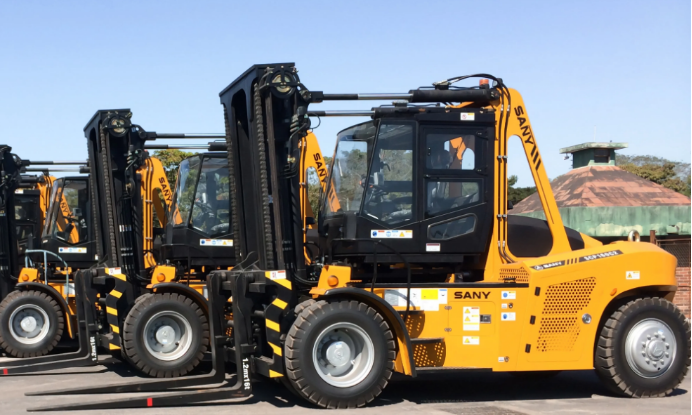
Introduction to Modern Material Handling Equipment
Forklifts have become one of the most important machines in industrial operations. Warehouses, manufacturing facilities, logistics centers, and construction sites depend heavily on forklifts to move heavy materials quickly and safely. These machines improve efficiency, reduce manual labor, and help businesses maintain smooth workflows in demanding environments. However, forklifts are constantly exposed to heavy workloads, long operating hours, and harsh working conditions, which can gradually affect their performance over time.
To keep these machines operating efficiently, regular maintenance and professional servicing are essential. Businesses that invest in proper forklift service can improve equipment reliability, reduce operational downtime, and extend the lifespan of their machinery. Ignoring maintenance may lead to unexpected breakdowns, expensive repairs, and safety risks that can negatively impact overall productivity.
As industries continue growing and supply chain operations become more demanding, forklifts are expected to perform consistently under pressure. This makes preventive maintenance more important than ever before. Companies that prioritize servicing not only protect their equipment investments but also create safer and more productive workplaces.
Understanding the Importance of Forklift Maintenance
Forklifts operate in environments where efficiency and precision are critical. Whether transporting pallets in a warehouse or lifting construction materials on a job site, these machines must perform reliably throughout the day. Continuous operation causes wear and tear on mechanical components, hydraulic systems, tires, brakes, and engines.
Regular maintenance ensures that these systems continue functioning properly. Small issues that may seem minor initially can quickly develop into major mechanical failures if left unresolved. For example, a minor hydraulic leak may eventually damage the lifting system, while worn brake components can compromise operator safety.Professional maintenance helps businesses identify and address such problems before they become serious. This proactive approach reduces the likelihood of sudden breakdowns and keeps forklifts operating efficiently under demanding conditions.
How Forklift Service Improves Workplace Safety
Safety is one of the most important reasons businesses should invest in regular forklift maintenance. Forklifts carry heavy loads and operate in busy industrial environments where employees, inventory, and machinery are constantly moving around. Any mechanical failure during operation can create dangerous situations.
Brake failures, steering problems, hydraulic malfunctions, and tire damage can all increase the risk of workplace accidents. Routine inspections performed during professional servicing help identify these hazards early and ensure that forklifts meet safety standards.Properly maintained forklifts provide better stability, smoother handling, and more reliable braking performance. Operators can work more confidently when equipment responds correctly and operates safely. Businesses that focus on maintenance often experience fewer workplace accidents and lower repair costs related to damaged goods or infrastructure.
The Financial Benefits of Preventive Maintenance
Many businesses hesitate to spend money on regular servicing because they see it as an additional expense. In reality, preventive maintenance is often far less costly than emergency repairs or equipment replacement.Unexpected breakdowns can disrupt operations and create expensive downtime. When a forklift stops working suddenly, businesses may face delayed shipments, interrupted workflows, and reduced productivity. Emergency repair costs are usually much higher than planned maintenance expenses because urgent repairs often require immediate labor, replacement parts, and operational delays.
Investing in professional forklift service helps companies avoid these financial challenges. Technicians can detect worn components early and replace them before they cause severe damage. This preventive approach extends equipment lifespan and reduces long-term operating costs significantly.
Enhancing Productivity Through Reliable Equipment
Forklift performance directly affects workplace productivity. When forklifts operate smoothly, employees can move materials quickly and complete tasks efficiently. Reliable equipment helps warehouses maintain accurate inventory movement and supports faster loading and unloading processes.On the other hand, poorly maintained forklifts often experience performance issues that slow down operations. Reduced lifting power, steering problems, or engine failures can create delays that affect the entire workflow. Workers may need to stop tasks while waiting for repairs or use manual labor to compensate for equipment downtime.
Consistent maintenance ensures that forklifts remain dependable and capable of handling demanding workloads. Businesses with reliable equipment typically achieve higher productivity levels and better operational efficiencyHydraulic systems are among the most important components of forklift operation. These systems control lifting, tilting, and load handling functions. Without a properly functioning hydraulic system, forklifts cannot perform their primary tasks safely or effectively.
Hydraulic fluid leaks, damaged hoses, worn seals, or pressure imbalances can reduce lifting performance and create safety hazards. Regular inspections help technicians identify hydraulic issues before they become severe.Professional servicing includes checking hydraulic fluid levels, inspecting hoses and cylinders, and ensuring that the system operates under correct pressure conditions. Maintaining hydraulic integrity is essential for safe lifting operations and consistent equipment performance.
Importance of Tire Inspection and Replacement
Forklift tires play a major role in stability, traction, and maneuverability. Different work environments require different tire types depending on operating conditions. Indoor warehouses commonly use cushion tires, while outdoor environments often require pneumatic tires designed for rough surfaces.
Worn or damaged tires can reduce forklift stability and increase the risk of accidents. Uneven tire wear may also affect steering control and load balance. Regular tire inspections allow technicians to identify wear patterns and recommend timely replacements.Proper tire maintenance improves operator comfort, handling performance, and workplace safety while reducing strain on other mechanical components.
Maintaining Electric Forklifts for Maximum Efficiency
Electric forklifts have become increasingly popular because of their energy efficiency and environmental benefits. These machines produce zero direct emissions and operate more quietly than combustion-powered models, making them ideal for indoor environments.
However, electric forklifts require specialized maintenance procedures. Battery care is particularly important because battery performance directly affects operating efficiency. Improper charging habits, low water levels, or dirty battery terminals can reduce battery lifespan significantly.Professional forklift technicians understand how to maintain electric systems correctly. Battery inspections, charging system maintenance, and electrical diagnostics help ensure reliable operation and maximize equipment lifespan.
Engine Maintenance in Combustion Forklifts
Internal combustion forklifts operate using diesel, gasoline, or propane engines. These machines are often used in outdoor environments or heavy-duty industrial applications where strong lifting power is required.
Engine maintenance is essential for keeping combustion forklifts operating efficiently. Oil changes, air filter replacements, cooling system inspections, and fuel system maintenance all contribute to better performance and reduced fuel consumption.Poor engine maintenance can lead to overheating, increased emissions, reduced power output, and costly repairs. Regular servicing keeps engines running smoothly and minimizes the risk of unexpected failures during operation.Even the best-maintained forklift can experience unnecessary wear if operators use it incorrectly. Aggressive driving, overloading, and improper handling techniques place additional stress on mechanical systems and accelerate component damage.
Businesses that combine regular maintenance with proper operator training achieve better equipment performance and longer machinery lifespan. Trained operators understand safe driving practices and recognize early warning signs of mechanical problems.Employees who report unusual noises, vibrations, or performance issues early can help prevent serious mechanical failures. This cooperation between operators and maintenance teams contributes to safer and more efficient operations.
Technology and Modern Forklift Diagnostics
Technological advancements have transformed modern forklift maintenance practices. Many forklifts now include onboard diagnostic systems that monitor performance in real time. These systems can detect engine irregularities, battery problems, hydraulic pressure changes, and other operational issues.
Technicians use diagnostic software to analyze performance data and identify maintenance needs before breakdowns occur. Predictive maintenance strategies help businesses reduce downtime by scheduling repairs proactively.Advanced technology also improves maintenance accuracy by helping technicians diagnose problems more efficiently. This reduces repair times and ensures that forklifts return to operation quickly.
Reducing Downtime Through Scheduled Maintenance
Unexpected downtime can create serious operational disruptions in warehouses and industrial facilities. Delayed shipments, interrupted workflows, and reduced productivity can negatively affect customer satisfaction and profitability.
Scheduled maintenance helps businesses avoid these problems by ensuring that forklifts remain in good working condition. Preventive servicing allows technicians to inspect equipment regularly and replace worn components before failures occur.
Businesses that prioritize routine forklift service often experience smoother operations and fewer emergency breakdowns. Reliable equipment availability improves workflow continuity and helps employees maintain productivity without unnecessary interruptions.Sustainability has become an important goal for many industries. Well-maintained forklifts contribute to environmental responsibility by operating more efficiently and consuming less fuel or energy.Combustion forklifts with properly maintained engines produce fewer emissions and operate more cleanly. Electric forklifts with healthy batteries consume energy more efficiently and support environmentally friendly warehouse operations.Regular maintenance also reduces waste associated with major equipment failures and premature machinery replacement. Extending forklift lifespan through proper care supports both financial and environmental sustainability goals.
Choosing Professional Forklift Technicians
Qualified technicians play a critical role in maintaining forklift reliability. Certified professionals understand manufacturer specifications, safety regulations, and proper repair procedures. Their expertise allows them to diagnose issues accurately and perform repairs safely.
Attempting unqualified repairs can lead to additional damage or create serious safety risks. Businesses should work with experienced service providers who use quality replacement parts and follow industry standards.
Professional technicians not only repair equipment but also provide valuable recommendations regarding maintenance schedules, operator practices, and equipment upgrades.Forklifts represent a major investment for businesses, and protecting that investment is essential for long-term operational success. Regular servicing preserves equipment condition, improves performance, and extends machinery lifespan.
Companies that neglect maintenance often face higher repair costs, reduced productivity, and more frequent equipment replacement. In contrast, businesses that invest in preventive maintenance enjoy more reliable operations and stronger financial performance over time.Consistent maintenance also improves resale value for forklifts. Well-maintained equipment with detailed service records typically retains higher market value compared to neglected machinery.
Conclusion
Forklifts are essential for modern industrial operations, helping businesses move heavy materials efficiently and maintain productive workflows. However, these machines require proper care and maintenance to perform reliably under demanding conditions.
Investing in professional forklift service is one of the most effective ways to protect equipment, improve workplace safety, and reduce long-term operating costs. Preventive maintenance helps identify issues early, minimize downtime, and ensure that forklifts remain dependable throughout their operational lifespan.
As industries continue evolving and operational demands increase, reliable equipment performance will remain critical for business success. Companies that prioritize maintenance and professional servicing gain significant advantages through improved productivity, safer work environments, and better financial efficiency.Ultimately, regular forklift service is not just about repairing machinery when problems occur. It is a strategic investment that supports operational continuity, employee safety, and long-term business growth. Businesses that commit to high maintenance standards position themselves for greater reliability, stronger performance, and lasting success in competitive industrial environments.

